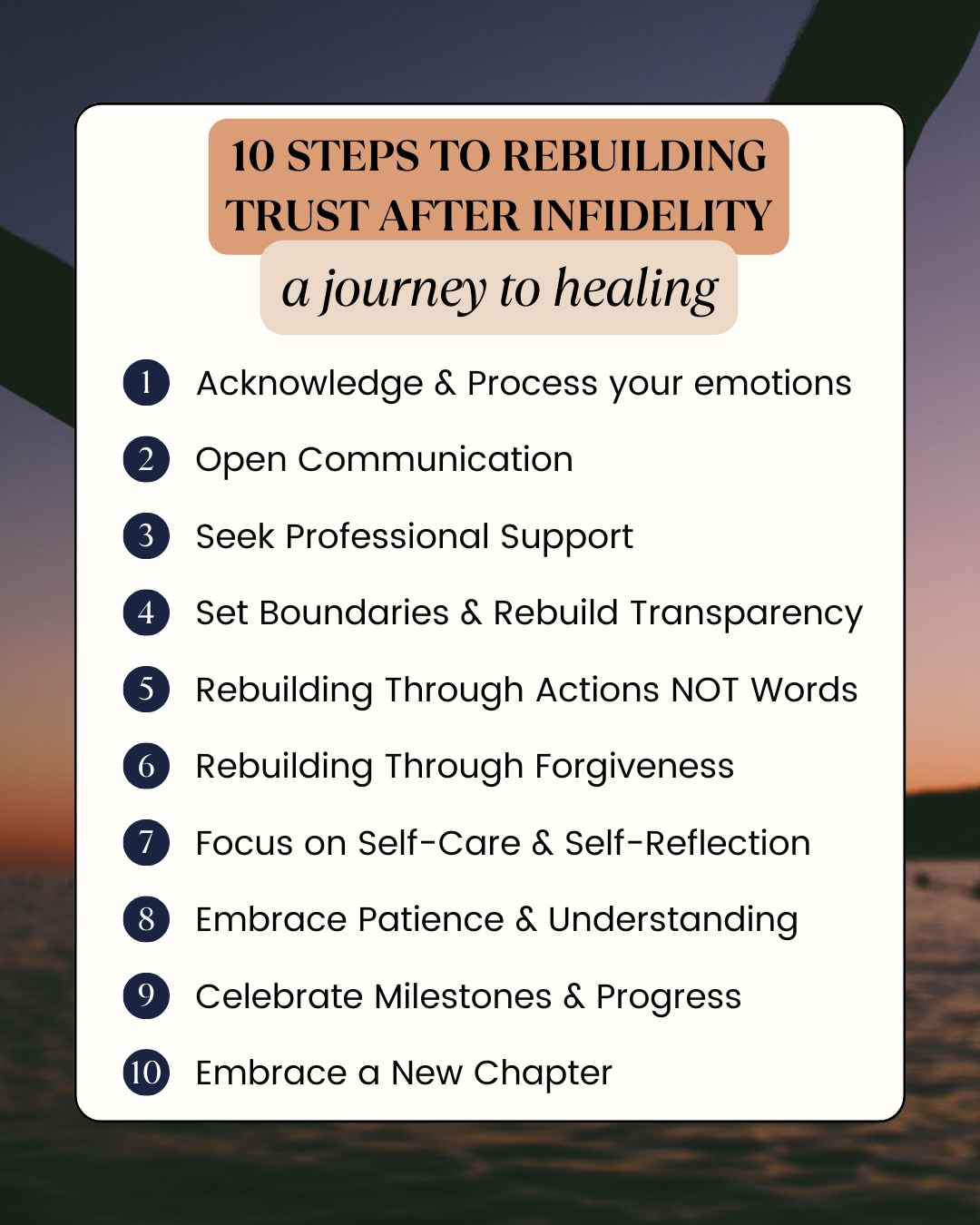


Hey there, lovely readers! 💕 We know that dealing with infidelity in a relationship can be an extremely challenging and heartbreaking situation. Trust is the foundation of any healthy relationship, but when it’s shattered, it takes time, effort, and commitment to rebuild. In this blog post, we’re here to guide you through the process of rebuilding trust after infidelity – step-by-step! 🚶♀️💔💪
Step 1: Acknowledge and Process Your Emotions 😢🌪️
The first step in rebuilding trust after infidelity is to allow yourself the space and time to fully experience and acknowledge the intense emotions that accompany such a betrayal. Infidelity can trigger a range of emotions, including anger, sadness, hurt, confusion, and even numbness. It’s important to recognize that these emotions are completely normal and valid reactions to a breach of trust.
Give yourself permission to feel these emotions without judgment or self-blame. It’s important to create a safe space for yourself where you can process and express these emotions in a healthy way. Seeking therapy or counseling can be immensely helpful during this time, as it provides a non-judgmental environment where you can explore your feelings and gain support in understanding and navigating through them.
Journaling can also be a powerful tool for processing emotions. Writing down your thoughts and feelings can help you gain clarity, release pent-up emotions, and track your progress over time. It can also provide a private outlet for expressing your deepest thoughts and fears.
In addition to therapy and journaling, finding a trusted friend or support group can offer another avenue for sharing your emotions. It’s important to select someone who is understanding, supportive, and non-judgmental. Sharing your feelings with someone you trust can help alleviate some of the emotional burden and provide valuable perspective and comfort.
Remember that it’s essential to express your emotions in a healthy way. Avoid resorting to destructive behaviors or actions, as they can create additional damage to yourself or the relationship. Instead, focus on finding constructive outlets and activities that can help you process and release your emotions, such as engaging in creative pursuits, physical exercise, or mindfulness practices.
Rebuilding trust after infidelity is a journey that requires self-care, patience, and understanding. Allowing yourself to fully experience and express your emotions is an important initial step toward healing and creating a foundation for rebuilding trust in yourself and in your relationship.
Step 2: Open Communication 🗣️📝
Step two in rebuilding trust after infidelity is to prioritize open and honest communication with your partner. It is essential to sit down together and have a sincere and sincere conversation about the infidelity. This conversation should take place in a safe and non-judgmental environment where both partners can feel comfortable expressing their feelings, concerns, and questions.
During this conversation, it is important to actively listen to your partner. Give them your full attention and let them share their perspective, emotions, and thoughts without interruption or judgment. Remember, listening attentively is crucial for creating a safe and trusting space where both partners can feel heard and understood.
As you engage in this conversation, it’s important to show empathy towards your partner’s emotions. Put yourself in their shoes and try to understand how they might be feeling. Acknowledge their pain, hurt, and any other emotions they may be experiencing. Validating their emotions can go a long way in fostering a sense of trust and understanding.
While it may be difficult, it is crucial to be open and honest with your partner during this conversation. Answer their questions truthfully and openly, without hiding or withholding information. Transparency and honesty are key in rebuilding trust. This means being willing to address uncomfortable topics and be accountable for your actions.
It’s important to remember that this conversation might not resolve everything right away. Rebuilding trust takes time, and it is often a gradual process. Be patient with your partner and with yourself as you navigate through this stage. Encourage ongoing and open dialogue with your partner as you work towards rebuilding trust.
In addition to this initial conversation, ongoing communication is crucial throughout the healing process. Regular check-ins, sharing of feelings, concerns, and progress can help foster trust and ensure that both partners feel heard and supported.
Seeking the help of a couples therapist or relationship coach can also be beneficial during this stage. A professional can provide guidance, facilitate communication, and help navigate the complex emotions and challenges that arise during the healing process.
Remember, rebuilding trust after infidelity is a collaborative effort. By prioritizing open and honest communication, actively listening, showing empathy, and seeking professional help when needed, you can create a solid foundation for rebuilding trust and strengthening your relationship.
Step 3: Seek Professional Support 🙌💼
Step three in rebuilding trust after infidelity is to seriously consider seeking the help and guidance of a therapist or relationship counselor who specializes in infidelity. Infidelity is a complex and emotionally-charged issue that often requires professional expertise to navigate effectively.
A therapist or relationship counselor with experience in infidelity can provide invaluable support and guidance throughout the healing process. They can offer a safe and non-judgmental environment where both partners can freely express their emotions, concerns, and fears. This professional can facilitate productive conversations between you and your partner, helping you both understand each other’s perspectives and work towards rebuilding trust.
A therapist or counselor can also provide you with effective tools and strategies to address the challenges that arise from the infidelity. They can help you develop healthy communication skills, establish new boundaries, and navigate through the emotions and uncertainties that accompany the healing journey. They can offer insights and guidance to help both partners process their emotions and learn how to move forward in a positive and constructive way.
In addition to individual therapy, couples therapy specifically focused on infidelity can be immensely helpful. These sessions provide a structured and supportive space where both partners can learn to communicate more effectively, understand the root causes of the infidelity, and rebuild trust. A therapist can guide you through the process of rebuilding trust step by step, providing you with exercises and strategies tailored to your unique situation.
Choosing the right therapist or relationship counselor is crucial. Take the time to research and find someone who specializes in working with couples dealing with infidelity. Look for professionals who are experienced, empathetic, and supportive. A good therapist will create a safe space for both partners to share their feelings, concerns, and hopes for rebuilding trust.
Remember, therapy is not a sign of weakness or failure. Seeking professional help is an important step towards healing and rebuilding trust. It can provide you with the guidance, support, and tools necessary to navigate the challenges of infidelity and emerge with a stronger and healthier relationship.
While therapy can be transformative, it’s important to keep in mind that healing takes time. Rebuilding trust after infidelity is a gradual process, and setbacks may occur along the way. However, with consistent effort, open communication, and the guidance of a skilled professional, you and your partner can work together to rebuild trust and create a healthier and more fulfilling relationship.
Step 4: Set Boundaries and Rebuild Transparency 🚧🔍
Step four in rebuilding trust after infidelity is to create clear boundaries in your relationship. When trust has been broken, it’s important to establish agreements that make both partners feel secure and respected. This involves open and honest communication to discuss and define the boundaries that you both feel comfortable with.
Start by having a conversation with your partner about what boundaries are important to each of you. This might include discussing expectations around communication, sharing whereabouts, or limiting contact with the third party involved. Consider the specific actions or behaviors that are triggers for each of you and which boundaries would help rebuild trust.
Transparency is key in establishing and maintaining these boundaries. Be open and honest with your partner about your actions, whereabouts, and communication with others. This includes being transparent about any contact or interactions you have with the person involved in the infidelity. By being consistent and transparent in your actions, you can gradually rebuild trust over time.
It’s important to remember that establishing boundaries is a joint effort. Both partners should have the opportunity to express their needs and concerns. It’s crucial to listen to each other and find a middle ground that respects the feelings and emotions of both individuals.
Once boundaries are established, it is essential to consistently follow through on them. This includes honoring agreements and commitments made with your partner. Consistency is key in rebuilding trust. By consistently respecting these boundaries, you demonstrate your commitment to rebuilding trust and creating a safe and secure relationship.
It’s important to be flexible and willing to reassess boundaries as you progress in the healing process. As trust is gradually rebuilt, you may find that some boundaries can be adjusted or relaxed over time. Trust, openness, and ongoing communication with your partner can guide you in determining when and how to adjust these boundaries.
Remember, rebuilding trust takes time and patience. It requires a shared commitment to open communication, transparency, and respect for each other’s boundaries. By creating and consistently following through on clear boundaries, you can lay the foundation for rebuilding trust and creating a stronger and more resilient relationship.
Step 5: Rebuilding Through Actions, Not Words 👀📆💗
Step five in rebuilding trust after infidelity is to show your commitment to rebuilding trust through consistent, positive actions. While open communication and setting boundaries are important, it is through your actions that your partner will truly feel the sincerity of your efforts.
Consistency is key in rebuilding trust. Be reliable and keep your promises. Show up for your partner and demonstrate that they can count on you. This includes being punctual, following through on commitments, and being dependable in all aspects of the relationship. By consistently being there for your partner in both big and small ways, you show your dedication to rebuilding trust.
Small gestures can have a significant impact. Surprise your partner with a heartfelt note or message expressing your love and commitment. These acts of kindness and thoughtfulness can help reassure your partner of your intentions and create an emotional connection. Simple acts of affection, such as holding hands, hugging, or cuddling, can also foster emotional intimacy and reaffirm your commitment to the relationship.
Plan special date nights or outings to create positive and memorable experiences together. These can be opportunities to reconnect, enjoy each other’s company, and strengthen your bond. The effort put into planning and organizing these special moments can demonstrate your commitment to rebuilding trust and investing in the relationship.
Engage in activities that foster emotional connection and deepening of intimacy. This may involve engaging in meaningful conversations, asking about your partner’s feelings and thoughts, or engaging in shared hobbies or interests. Taking the time to understand your partner on a deeper level shows that you are invested in their well-being and emotional needs.
Consistency, reliability, and thoughtfulness are crucial in rebuilding trust. Your partner needs to see that your actions align with your words, and that you are actively working towards healing the relationship. By consistently showing up, being reliable, and demonstrating your love and commitment through small gestures and meaningful actions, you can gradually rebuild trust and create a solid foundation for a healthier, more fulfilling relationship.
Remember, rebuilding trust takes time and dedication. It is an ongoing process that requires effort from both partners. By consistently demonstrating your commitment to rebuilding trust through positive actions, you can rebuild the foundation of your relationship and create a more secure and loving connection.
Step 6: Rebuilding Through Forgiveness and Healing 💞💆♀️
Step six in rebuilding trust after infidelity is to focus on forgiveness and healing. Forgiveness does not mean forgetting or condoning the infidelity, but rather choosing to let go of the resentment and anger that can hinder progress in the healing process. Healing, both individually and as a couple, takes time, so it’s important to be patient with yourself and your partner.
Forgiveness is a personal journey and a choice that each individual has to make. It involves acknowledging the pain caused by the infidelity and making a conscious decision to release it. It’s important to note that forgiveness does not happen overnight and may require ongoing effort and self-reflection. It’s a process that can be facilitated through individual therapy or counseling, where you can explore and address your emotions, expectations, and fears.
During the forgiveness process, it can be helpful to express your feelings and concerns to your partner in a calm and constructive manner. This allows for open communication and an opportunity for your partner to understand the impact of their actions. However, it’s important to avoid blaming or attacking your partner, as this can further damage trust and hinder the healing process.
Healing from infidelity also requires addressing any unresolved issues and emotional wounds that may have contributed to the infidelity in the first place. Individual therapy or couples counseling can be valuable resources during this time. A therapist or counselor can guide you through the healing process, help you understand and address any underlying issues, and provide tools and strategies to rebuild trust and strengthen your relationship.
In therapy or counseling sessions, you and your partner can discuss your emotions, fears, and hopes for the future. The therapist can help facilitate productive conversations, provide guidance on effective communication, and offer techniques for rebuilding trust. They can also assist in identifying unhealthy patterns and behaviors that need to be addressed in order to establish a healthier foundation for the relationship.
Remember, healing and forgiveness are deeply personal processes and can vary in duration for each individual and couple. It’s crucial to be patient with yourself and your partner as you work through the emotions and challenges that come with rebuilding trust after infidelity. With the support of therapy and the commitment of both partners, it’s possible to heal, forgive, and create a stronger, more trusting relationship moving forward.
Step 7: Focus on Self-Care and Self-Reflection 🌸🧘♂️💆♂️
Step seven in rebuilding trust after infidelity is to prioritize self-care and self-reflection. While it’s important to focus on repairing the relationship, it’s equally crucial to take care of your own well-being and personal growth. By nurturing yourself, you contribute to a healthier and more fulfilling relationship.
During this healing process, it’s important to engage in activities that bring you joy and fulfillment. Take the time to do things you love and that recharge your energy. This could involve pursuing a hobby, spending time in nature, engaging in physical exercise, or participating in activities that promote relaxation and stress reduction. By prioritizing self-care, you not only improve your own well-being but also bring a more positive and balanced energy to your relationship.
Practicing mindfulness can be especially beneficial during the rebuilding trust process. Cultivating mindfulness allows you to be fully present in the moment, acknowledge your emotions without judgment, and observe your thoughts and reactions. This self-awareness can help you navigate difficult emotions and make more conscious choices in your relationship. Mindfulness practices such as meditation, deep breathing exercises, or journaling can provide a space for self-reflection and growth.
Investing in self-improvement is another important aspect of rebuilding trust. Take the time to reflect on your own behavior, patterns, and beliefs. This can involve seeking personal development resources such as self-help books, online courses, or therapy sessions. By actively working on yourself and addressing any areas for growth, you contribute to positive change within yourself and the relationship.
Remember, your own well-being is essential to maintain a healthy and fulfilling relationship. Taking care of yourself physically, emotionally, and mentally allows you to bring your best self to the relationship and can contribute to rebuilding trust. By focusing on personal growth, engaging in activities that bring you joy, practicing mindfulness, and investing in self-improvement, you not only benefit yourself but also create a stronger foundation for your relationship to thrive.
As you prioritize self-care and self-reflection, it’s important to maintain open and honest communication with your partner. Share your journey of self-discovery and growth, and encourage your partner to do the same. Together, you can support each other’s personal journeys, strengthen your bond, and create a relationship built on trust, understanding, and individual growth.
Step 8: Embrace Patience and Understanding ⏳🤝
Step eight in rebuilding trust after infidelity is to recognize that the process is a journey that requires patience and understanding from both partners. It’s important to acknowledge that there will be ups and downs along the way, but communicating openly and supporting each other is vital for progress. It’s crucial to remember that healing occurs at different rates for each individual, so being compassionate and empathetic towards one another is essential.
Rebuilding trust takes time, and it’s natural for there to be moments of doubt, insecurity, or frustration. It’s important to create a safe space for open communication, where both partners can express their feelings, concerns, and needs without judgment. This includes actively listening to one another, being vulnerable, and validating each other’s emotions.
During difficult times, it’s important to resist the temptation to become defensive or dismissive of your partner’s emotions. Instead, try to understand their perspective and respond with empathy. This doesn’t mean agreeing with everything your partner says, but it does involve acknowledging their experiences, feelings, and concerns. Validate their emotions and reassure them of your commitment to rebuilding trust.
Patience is key during the process of rebuilding trust. Understand that healing occurs at different rates for each individual and that setbacks may happen along the way. Be patient with yourself and your partner, and avoid putting unnecessary pressure on either of you. Accept that there will be bumps in the road and that progress may not always be linear.
Additionally, it’s important to be self-aware and recognize your own emotions and triggers. Communicate your needs to your partner and seek support when necessary. This may include taking breaks or giving each other space when needed, as long as both partners are committed to coming back to the process of rebuilding trust.
Supporting each other is crucial in rebuilding trust after infidelity. Be each other’s cheerleaders, providing encouragement and reassurance along the way. Celebrate small victories together and acknowledge the progress made. Remember that trust is built through consistent, positive actions, and it’s important to continue demonstrating your commitment to the relationship.
Ultimately, the journey of rebuilding trust requires ongoing effort, understanding, and compassion from both partners. By communicating openly, supporting each other, exercising patience, and acknowledging the individual healing processes, you can gradually rebuild trust and create a stronger, more resilient relationship.
Step 9: Celebrate Milestones and Progress 🎉🏆
Step nine in rebuilding trust after infidelity is to celebrate the milestones and victories along the way. It’s important to acknowledge and appreciate the effort you and your partner have put into overcoming challenges and rebuilding your relationship. By celebrating these moments together, you reinforce the sense of accomplishment and growth that you have achieved.
Rebuilding trust is a challenging process, and each step forward is worth celebrating. Whether it’s a small milestone like having an open and honest conversation without conflict or a larger victory like reaching a place of greater trust and intimacy, take the time to acknowledge and honor these moments.
Celebrating milestones and victories serves multiple purposes in the rebuilding trust process. Firstly, it allows you and your partner to reflect on the progress you’ve made. It can bring a sense of satisfaction and validation to see how far you have come since the initial breach of trust. Recognizing your achievements helps to build confidence in the relationship and reaffirms your commitment to the healing process.
Moreover, celebrating milestones and victories boosts motivation and resilience. Going through the process of rebuilding trust can be tough and emotionally draining at times. By acknowledging your successes, you offer support and encouragement to each other, fostering a positive mindset and motivation to continue working on the relationship.
Celebrations can take many forms and can be tailored to your preferences as a couple. They can be as simple as sharing a special meal together, planning a date night, or going on a weekend getaway to mark a significant milestone. The key is to create meaningful moments that honor the progress you have made and strengthen the bond between you.
It’s important to remember that celebrations should be genuine and heartfelt. They should come from a place of authentic appreciation and recognition of the efforts both partners have invested in rebuilding trust. By genuinely celebrating together, you reinforce the importance of the journey you have embarked on and focus on the positive growth that has emerged from it.
In addition to celebrating milestones, it’s also important to show appreciation for the everyday efforts and small victories. This can involve expressing gratitude for the small gestures and acts of trust-building you and your partner engage in daily. By acknowledging and highlighting these efforts, you create an atmosphere of positivity and encouragement, nurturing the growth of trust in your relationship.
Remember that rebuilding trust takes time and patience. Celebrating milestones and victories along the way helps to maintain momentum and cultivate a sense of hope and optimism. By celebrating together, you create a stronger foundation for continued growth and progress, making the rebuilding trust process more fulfilling and rewarding for both partners involved.
Step 10: Embrace a New Chapter and a Stronger Connection 💑🌈
Step ten in rebuilding trust after infidelity is to recognize that it is not an easy task, but it is possible. It is important to approach the process with commitment, patience, and open communication in order to create a new chapter in your relationship—one that is built on a stronger foundation of trust, understanding, and love.
Rebuilding trust after infidelity is a complex and challenging journey. It requires both partners to be fully committed to the healing process and to prioritizing the restoration of trust in the relationship. It is crucial to acknowledge that rebuilding trust will take time and continuous effort.
Patience is key during this process. Healing from infidelity is not a linear path, and there will be moments of doubt, fear, and insecurity along the way. It is essential to be patient with yourself and your partner, as rebuilding trust is a gradual and ongoing process. It is also important to remember that setbacks may occur, but with patience and perseverance, you can overcome them and continue moving forward.
Open communication is a vital component in rebuilding trust. It is crucial to foster an environment where both partners feel comfortable expressing their thoughts, feelings, and concerns. Active listening and empathy are essential in understanding each other’s perspectives and rebuilding the emotional connection in the relationship. Honest and transparent communication can help rebuild trust as it allows for understanding, healing, and the opportunity to address any lingering issues or concerns.
In the process of rebuilding trust, it is important to focus on creating a new chapter in your relationship. This means letting go of the past, forgiving each other, and learning from the mistakes that led to the infidelity. It involves making a conscious effort to build a better future together, based on a stronger foundation of trust, understanding, and love.
Creating a brighter future together requires a shared commitment from both partners. It involves actively working on the relationship and making the necessary changes to prevent infidelity from happening again. This may involve attending couples therapy, seeking individual counseling, or engaging in relationship-building activities such as trust-building exercises or shared experiences that promote bonding and connection.
Remember that rebuilding trust is a process that takes time, effort, and dedication. It requires both partners to be willing to put in the work and make changes in their behaviors and attitudes. With commitment, patience, and open communication, you can create a new chapter in your relationship—one that is built on a stronger foundation of trust, understanding, and love. Together, you can forge a brighter future and cultivate a healthier and more resilient bond.
Conclusion: Rebuilding Trust After Infidelity: A Journey Towards Healing 🔒💕🌈
We hope these steps serve as a guide for your journey towards rebuilding trust after infidelity. Remember, every relationship is unique, and the healing process varies for everyone. Be kind to yourself, stay patient, and never hesitate to seek professional help when needed. Trust can be rebuilt, and a stronger, more fulfilling relationship can emerge from the process. It takes effort and commitment from both partners to rebuild trust and repair the damage caused by infidelity. But with open communication, honesty, and a willingness to work through issues, it is possible to move forward. Keep in mind that it may take time, and setbacks may occur along the way. Be patient with yourself and your partner, and focus on the progress made. Remember that trust is a key ingredient of any successful relationship, and by working together, you can build a stronger, more resilient bond.
Auto Amazon Links: No products found.